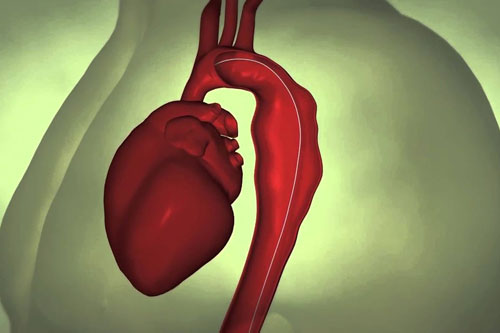
Aortic aneurysm and aortic dissection are serious conditions affecting the body's largest artery, the aorta. An aneurysm occurs when the aorta becomes enlarged or weakened, while a dissection involves a tear in the aortic wall. Advanced minimally invasive and hybrid endovascular procedures such as EVAR (Endovascular Aneurysm Repair) and TEVAR (Thoracic Endovascular Aortic Repair) offer effective treatment with reduced recovery time and fewer complications compared to traditional surgery.
Aortic diseases treated with advanced endovascular techniques include:
- Abdominal Aortic Aneurysm (AAA)
- Thoracic Aortic Aneurysm (TAA)
- Aortic Dissection
- Aortic Ulcers
- Aortic Pseudoaneurysm
- Complex Aortic Disease
- Ruptured Aneurysm
- Aortic Trauma
Common symptoms of aortic aneurysm and aortic dissection may include:
- Sudden severe chest pain
- Back pain
- Abdominal pain
- Pulsating abdominal mass
- Shortness of breath
- Dizziness or fainting
- Weakness or fatigue
- Symptoms of internal bleeding
Several factors can increase the risk of aortic aneurysm and dissection:
- High blood pressure
- Atherosclerosis
- Smoking
- Increasing age
- Genetic disorders
- Family history
- Connective tissue diseases
- Previous vascular disease
Advanced minimally invasive and hybrid treatment options include:
- Diagnostic CT Angiography
- Endovascular Aneurysm Repair (EVAR)
- Thoracic Endovascular Aortic Repair (TEVAR)
- Stent Graft Placement
- Hybrid Aortic Procedures
- Emergency Aortic Intervention
- Aortic Surveillance Programs
- Long-Term Follow-Up Care
- Minimally invasive approach
- Smaller incisions
- Reduced hospital stay
- Faster recovery
- Lower complication rates
- Improved patient safety
- Effective aneurysm exclusion
- Better long-term outcomes
The risk of aortic disease may be reduced by adopting healthy lifestyle habits:
- Control blood pressure
- Stop smoking
- Maintain healthy cholesterol levels
- Exercise regularly
- Follow a heart-healthy diet
- Manage diabetes effectively
- Attend regular health screenings
- Seek early medical evaluation for symptoms