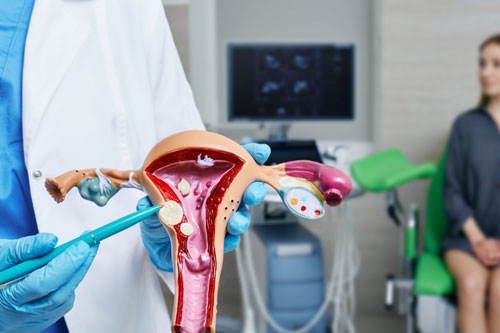
Uterine fibroids and adenomyosis are common gynecological conditions that can cause heavy menstrual bleeding, pelvic pain, pressure symptoms, and reduced quality of life. Advanced minimally invasive treatment through Uterine Artery Embolization (UAE/UFE) offers an effective, uterus-preserving alternative to surgery, providing symptom relief with faster recovery and minimal downtime.
Uterine Artery Embolization can effectively treat the following conditions:
- Uterine Fibroids
- Adenomyosis
- Heavy Menstrual Bleeding
- Pelvic Pressure Symptoms
- Enlarged Uterus
- Chronic Pelvic Pain
- Fibroid-Related Symptoms
- Symptomatic Adenomyosis
Common symptoms of uterine fibroids and adenomyosis include:
- Heavy or prolonged menstrual bleeding
- Pelvic pain or discomfort
- Painful menstrual cramps
- Pelvic pressure or fullness
- Frequent urination
- Lower abdominal swelling
- Back or leg pain
- Fatigue due to anemia
Several factors may contribute to the development of fibroids and adenomyosis:
- Hormonal imbalances
- Genetic predisposition
- Reproductive age changes
- Family history
- Estrogen-related growth
- Uterine tissue abnormalities
- Previous uterine surgery
- Age-related hormonal changes
Advanced minimally invasive treatment options include:
- Clinical Evaluation and Imaging
- Ultrasound and MRI Assessment
- Uterine Artery Embolization (UAE)
- Fibroid Embolization Procedure
- Adenomyosis Embolization
- Image-Guided Therapy
- Symptom Management
- Long-Term Follow-Up Care
- Uterus-preserving treatment
- No major surgery required
- Minimally invasive procedure
- Faster recovery time
- Reduced menstrual bleeding
- Relief from pelvic pain
- Short hospital stay
- Improved quality of life
You should seek medical evaluation if you experience:
- Heavy menstrual bleeding
- Persistent pelvic pain
- Severe menstrual cramps
- Frequent urination due to pelvic pressure
- Enlarged abdomen
- Symptoms affecting daily activities
- Recurrent anemia
- Known fibroids or adenomyosis requiring treatment