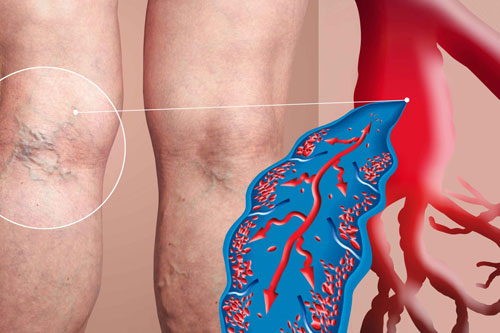
Deep Vein Thrombosis (DVT) occurs when blood clots form in the deep veins, most commonly in the legs. These clots can cause pain, swelling, and serious complications if left untreated. Advanced minimally invasive endovascular treatments such as thrombectomy, thrombolysis, IVC filter placement, venoplasty, and venous stenting help restore blood flow, relieve symptoms, and reduce the risk of long-term complications.
Deep Vein Thrombosis may be associated with the following conditions:
- Acute Deep Vein Thrombosis
- Chronic Venous Thrombosis
- Leg Vein Blockages
- Venous Insufficiency
- Post-Thrombotic Syndrome
- Recurrent Blood Clots
- Pelvic Vein Thrombosis
- Venous Obstruction
Common symptoms of Deep Vein Thrombosis include:
- Swelling in one leg
- Leg pain or tenderness
- Warmth over the affected area
- Redness of the skin
- Heaviness in the leg
- Visible enlarged veins
- Persistent calf discomfort
- Difficulty walking
Deep Vein Thrombosis can develop due to several risk factors, including:
- Prolonged bed rest or immobility
- Recent surgery or trauma
- Cancer and cancer treatments
- Obesity
- Smoking
- Pregnancy
- Clotting disorders
- Family history of blood clots
Advanced minimally invasive treatments are available to remove clots and restore normal blood flow:
- Diagnostic Venous Imaging
- Catheter-Directed Thrombolysis
- Mechanical Thrombectomy
- IVC Filter Placement
- Balloon Venoplasty
- Venous Stenting
- Clot Burden Reduction
- Long-Term DVT Management
- Rapid symptom relief
- Improved blood circulation
- Reduced leg swelling
- Lower risk of complications
- Prevention of post-thrombotic syndrome
- Improved mobility
- Faster recovery
- Better long-term vein health
The risk of DVT can be reduced by following healthy lifestyle measures:
- Stay physically active
- Avoid prolonged sitting
- Maintain healthy body weight
- Stay well hydrated
- Quit smoking
- Follow post-surgical advice
- Use compression stockings when advised
- Attend regular vascular checkups