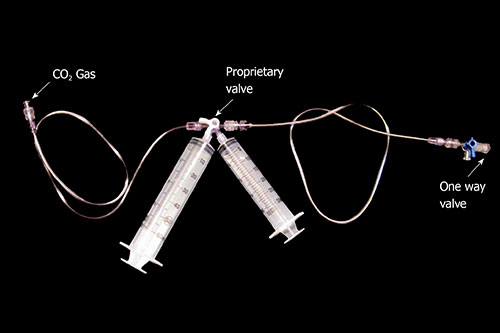
Carbon Dioxide (CO₂) Angiography is an advanced imaging technique used for patients with kidney disease who require vascular evaluation and treatment. Instead of conventional contrast dye, medical-grade carbon dioxide gas is used to visualize blood vessels, making it a safer option for patients with impaired kidney function while ensuring accurate diagnosis and treatment planning.
Carbon Dioxide Angiography is commonly used to evaluate and treat:
- Peripheral Arterial Disease (PAD)
- Critical Limb Ischemia
- Diabetic Foot Ulcers
- Non-Healing Foot Wounds
- Leg Artery Blockages
- Gangrenous Foot Changes
- Poor Blood Circulation
- Vascular Disease in Kidney Patients
Patients who may require Carbon Dioxide Angiography often experience:
- Leg pain while walking
- Pain in the feet at rest
- Numbness or weakness in the legs
- Non-healing wounds
- Foot ulcers
- Skin discoloration
- Cold feet or toes
- Gangrene in severe cases
Carbon Dioxide Angiography is often recommended for patients who:
- Have advanced kidney disease
- Require angiography or angioplasty
- Have peripheral arterial disease
- Need evaluation of leg arteries
- Have diabetic vascular complications
- Are at risk from contrast dye exposure
- Need repeated vascular imaging
- Require minimally invasive vascular treatment
Carbon Dioxide Angiography assists in diagnosing vascular disease and guiding minimally invasive treatments such as:
- CO₂ Angiographic Imaging
- Diagnostic Vascular Assessment
- Balloon Angioplasty
- Arterial Stenting
- Endovascular Revascularization
- Limb Salvage Procedures
- Peripheral Artery Interventions
- Follow-up Vascular Evaluation
- Safe for patients with kidney disease
- Reduces risk of kidney injury
- Accurate vascular imaging
- Minimally invasive procedure
- Supports effective treatment planning
- Lower complication rates
- Faster recovery
- Improved patient safety
You should seek vascular evaluation if you experience:
- Persistent leg pain while walking
- Rest pain in the feet
- Non-healing foot ulcers
- Poor circulation in the legs
- Toe discoloration or gangrene
- Diabetes-related vascular disease
- Advanced kidney disease with vascular symptoms
- Requirement for angiography or angioplasty