Vascular & Interventional Radiology

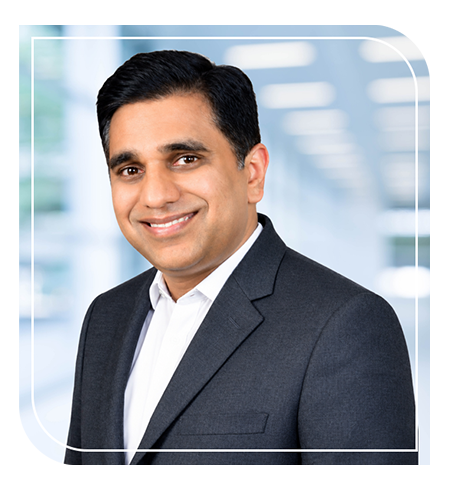
Dr. Ganesh Deogaonkar

DNB PDCC FRCR (London) EBIR (Vienna), FVIR (GSTT, London)

Associate Director, Vascular & Interventional Radiology, Nanavati Max Hospital, Mumbai. 18+ years of experience across India & the UK, with advanced training at Guy's & St Thomas' NHS Foundation Trust, London.
18+
Years Experience
Multiple
Publications
Minimally Invasive Treatment

No Scalpel. No Scars. Better Outcomes.

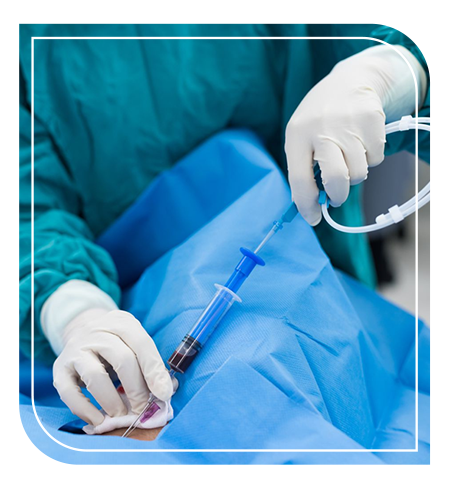
Advanced endovascular techniques for vascular & non-vascular disease

From peripheral arterial disease to uterine fibroids — world-class interventional radiology that replaces open surgery with precision, image-guided care.
20+
Specialities Treated
Day
Care Procedures
International Recognition

Globally Awarded Mumbai Based

CIRSE Certificate of Merit · BSIR Best Case Study · IMAGICON First Prize

Ex - Consultant at reputed global institutes - Guy’s and St Thomas’ NHS Foundation Trust, London, St George’s University Hospital NHS Trust, London and East Kent Hospitals NHS Foundation Trust, Canterbury

3
International Awards
20+
Conference Presentations
About the Doctor

Dr. Ganesh Deogaonkar

DNB PDCC FRCR (London) EBIR (Vienna), FVIR (GSTT, London)
Endovascular Specialist

Dr. Ganesh Deogaonkar is a specialist in minimally invasive, image-guided treatments for vascular and related conditions, with over 18 years of experience. Trained in India and the UK, he completed advanced fellowship training at Guy’s and St Thomas’ NHS Foundation Trust, one of the UK’s leading hospitals, and was later appointed as and served as a consultant there.

Now based in Mumbai, Dr. Ganesh serves as Associate Director – Vascular & Interventional Radiology at Nanavati Max Super Speciality Hospital. He offers advanced minimally invasive treatments for peripheral arterial disease, diabetic foot, DVT, varicose veins, aortic aneurysms, fibroids, prostate enlargement, and other complex vascular conditions.

Known for his patient-centred approach, Dr. Ganesh focuses on providing safe, effective alternatives to open surgery, helping patients make informed decisions and achieve faster recovery with less discomfort.

Read More
What We Treat

Minimally Invasive Vascular Solutions

Advanced non-surgical endovascular treatments for a wide spectrum of vascular and non-vascular conditions — no scalpel, faster recovery, superior outcomes.

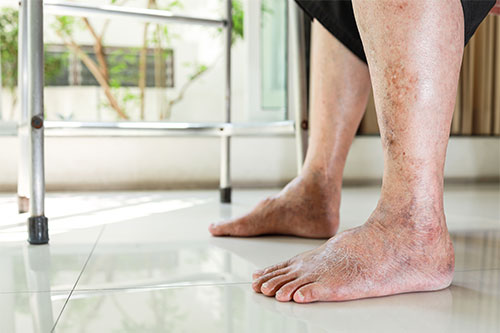
Advanced minimally invasive angioplasty and stenting procedures for leg artery blockages causing calf pain while walking, rest pain, or gangrenous foot changes.
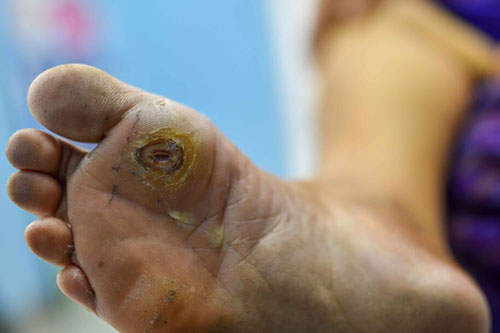
Specialized endovascular treatments to restore blood flow in the legs and feet using angioplasty and stenting, helping prevent amputations and promote wound healing.
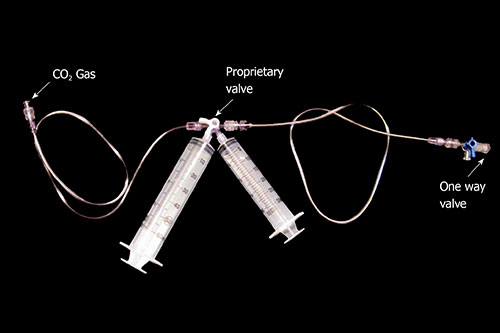
Safe alternative angiography technique for patients with advanced kidney disease requiring vascular imaging and angioplasty for leg or foot circulation problems.
Non-surgical treatment of blood clots in deep leg veins using thrombectomy, thrombolysis, IVC filter placement, venoplasty, and venous stenting techniques.
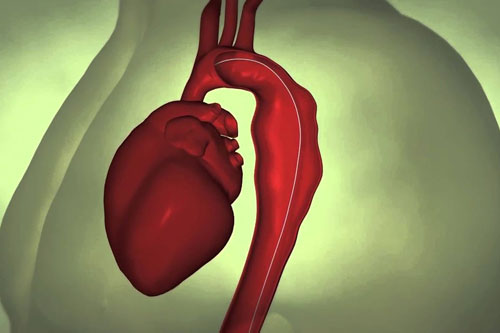
Advanced minimally invasive endovascular repair procedures including EVAR and TEVAR for safe and effective treatment of complex aortic diseases.
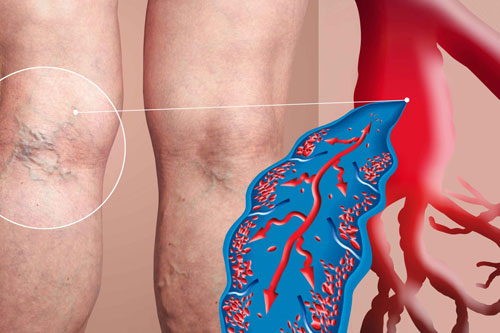
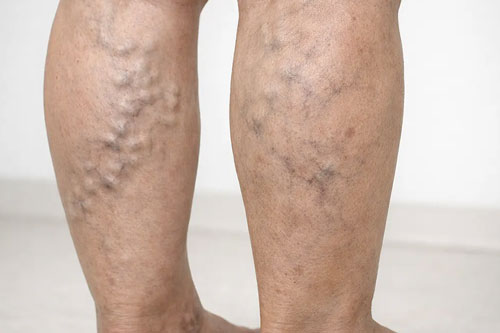
Scarless non-surgical treatment using Endovenous Laser Ablation (EVLT), Radiofrequency Ablation (RFA), and Venaseal glue closure for long-lasting vein relief.
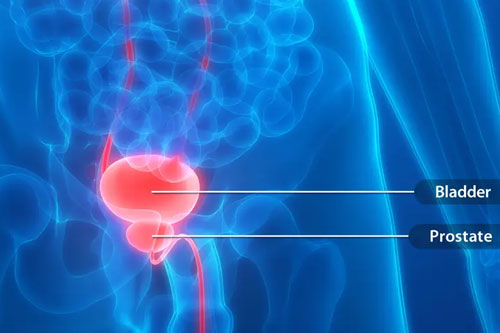
Minimally invasive Prostate Artery Embolization (PAE) for urinary frequency, incomplete bladder emptying, and recurrent urinary infections with fewer complications than surgery.
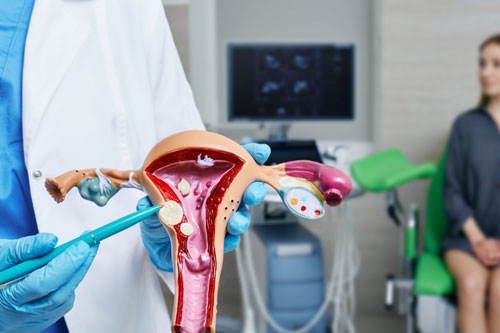
Non-surgical uterus-preserving treatment through Uterine Artery Embolization for effective symptom relief and faster recovery.
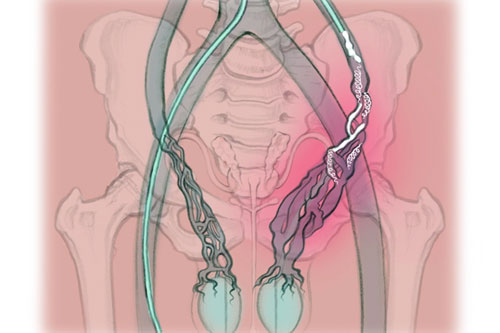
Simple minimally invasive treatment for varicocele causing scrotal pain or male infertility using advanced embolization techniques.
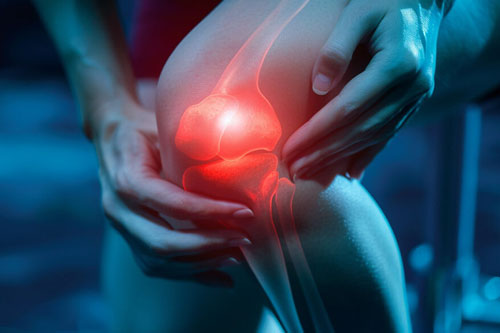
Image-guided minimally invasive procedures such as Geniculate Artery Embolization (GAE) and Transarterial Microembolization (TAME) for chronic pain management.
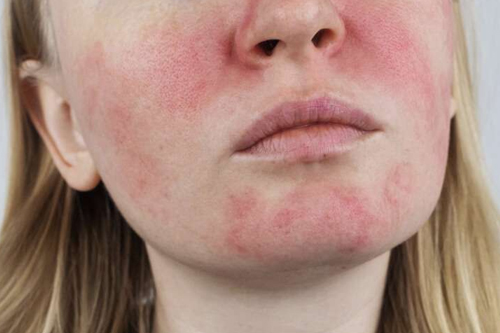
Advanced non-surgical treatment of vascular malformations, haemangiomas, and AVMs using sclerotherapy, embolization, and ablation procedures.
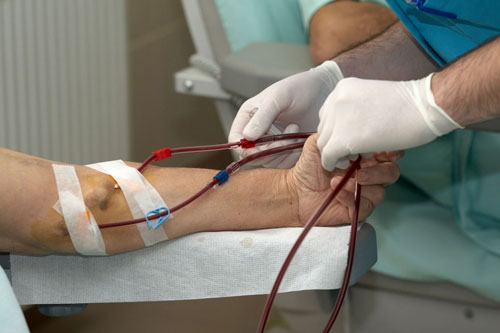
Comprehensive dialysis access maintenance including PERMACATH placement, AV fistula maturation, AV graft declotting, and treatment of venous blockages or narrowing.
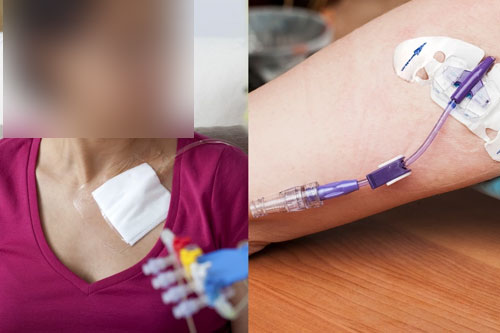
Safe and image-guided placement of chemo ports and PICC lines for reliable long-term intravenous access in cancer patients.
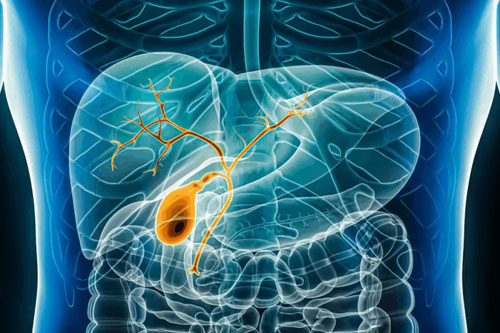
Advanced biliary drainage procedures including PTBD and biliary stenting for obstructive jaundice and related liver or bile duct conditions.
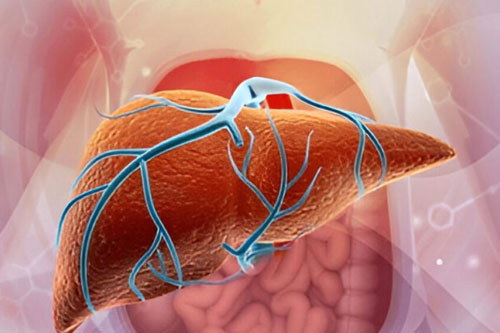
Minimally invasive locoregional liver cancer treatments including TACE, Y-90 Radioembolization, radiofrequency ablation, microwave ablation, and cryoablation.
Hospital Affiliations

Where You Can Consult Dr. Deogaonkar

Nanavati Max Super Speciality Hospital
Associate Director, Vascular and Interventional Radiology
Swami Vivekanand Rd, next to Suresh Colony, LIC Colony, Suresh Colony, Vile Parle West, Mumbai, Maharashtra 400056
Get Direction
"

Every patient deserves world-class minimally invasive care — the kind that preserves life, function and dignity without the scalpel.

- Dr. Ganesh Deogaonkar

Why Choose

Internationally Trained, Mumbai Based

1

Dual UK & European Fellowship

Trained at Guy's & St Thomas' — one of the world's foremost vascular units — and board-certified by the European Society of IR in Vienna.

2

Non-Surgical First Approach

Every procedure is designed to be minimally invasive — shorter hospital stays, faster recovery, and lower risk than open surgery.

3

International Faculty & Publications

Invited faculty at CIRSE, BSIR, ISVIR and STARS London symposium. Six peer-reviewed publications in leading international journals.

4

18+ Years of Clinical Excellence

Over 18 years of clinical experience across major tertiary hospitals in Mumbai, Nashik, New Delhi, and multiple NHS Trusts in the UK.

5

Comprehensive Vascular Care

From aortic aneurysm repair to uterine fibroid embolization — a full spectrum of vascular and non-vascular IR interventions under one roof.

Patient Reviews

What Patients Say About Us

4.9
★★★★★
Based on 120+ patient reviews
FAQ

Frequently Asked Questions

Have a question not answered here? Reach out directly — we're happy to guide you through your treatment options.

For urgent queries or to book a consultation, contact Dr. Deogaonkar's team directly.

Call: +91 9004742438
Interventional Radiology (IR) is a medical specialty that uses image-guided, minimally invasive procedures to diagnose and treat diseases. Using X-ray, ultrasound, CT or MRI imaging, a specialist can treat conditions through tiny incisions — often as a day procedure — avoiding the risks, pain and recovery time of traditional open surgery.
IR procedures are performed through very small punctures (often just a needle), use real-time imaging guidance, require little or no general anaesthesia, involve much shorter hospital stays (often day-care), cause far less pain and scarring, and have significantly faster recovery times compared to open surgical alternatives.
Yes. PAE is a well-established, proven procedure for Benign Prostate Hyperplasia. It has significantly lower complication rates compared to traditional TURP surgery, preserves sexual function, requires no general anaesthesia in most cases, and most patients return home the same day with excellent improvement in urinary symptoms.
Absolutely. Dr. Deogaonkar offers three modern scarless techniques: Endovenous Laser Ablation (EVLT), Radiofrequency Ablation (RFA) and Venaseal glue closure. All three are performed under local anaesthesia, take about 30–60 minutes, and allow patients to walk immediately. No hospitalisation, no stitches, no scars.
UAE is a minimally invasive procedure that blocks the blood supply to uterine fibroids, causing them to shrink and symptoms to resolve. It is uterus-preserving (no hysterectomy), performed through a tiny puncture, takes about an hour, and most women are back to normal activity within one to two weeks.
You can reach Dr. Deogaonkar's office at Nanavati Max Super Speciality Hospital, Vile Parle (West), Mumbai by calling +91 9004742438, emailing vasculardoc.ganesh@gmail.com, or using the WhatsApp button on this page.
Not necessarily. Many DVT patients can be managed with advanced minimally invasive techniques including thrombectomy, catheter-directed thrombolysis, IVC filter placement, venoplasty and venous stenting — avoiding major surgery while achieving excellent outcomes.
CO₂ angiography uses carbon dioxide gas instead of iodinated contrast dye to visualise blood vessels. It is used for patients with advanced chronic kidney disease (CKD) or contrast allergy who still need angiography and angioplasty — making the procedure entirely safe for their kidneys.