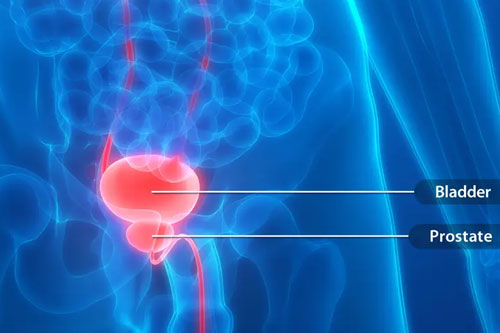
Benign Prostate Hypertrophy (BPH), also known as an enlarged prostate, is a common condition in aging men that can affect normal urinary function. Symptoms such as frequent urination, weak urine flow, incomplete bladder emptying, and recurrent urinary tract infections can significantly impact quality of life. Advanced minimally invasive treatment with Prostate Artery Embolization (PAE) offers effective symptom relief with fewer risks and faster recovery compared to conventional surgery.
BPH treatment can help manage the following conditions:
- Enlarged Prostate
- Frequent Urination
- Weak Urine Stream
- Urinary Hesitancy
- Incomplete Bladder Emptying
- Nocturia (Night-time Urination)
- Recurrent Urinary Infections
- Urinary Retention
Common symptoms of Benign Prostate Hypertrophy include:
- Frequent urge to urinate
- Difficulty starting urination
- Weak urine stream
- Interrupted urine flow
- Feeling of incomplete bladder emptying
- Night-time urination
- Urinary urgency
- Recurrent urinary infections
Several factors may contribute to the development of BPH:
- Age-related prostate enlargement
- Hormonal changes
- Family history
- Obesity
- Diabetes
- Sedentary lifestyle
- Metabolic disorders
- Increasing age
Advanced minimally invasive treatment options for BPH include:
- Clinical Evaluation and Assessment
- Prostate Imaging Studies
- Prostate Artery Embolization (PAE)
- Image-Guided Vascular Procedures
- Symptom Management
- Urinary Function Improvement
- Follow-Up Monitoring
- Long-Term Prostate Care
- Minimally invasive procedure
- No major surgery required
- Reduced risk of complications
- Faster recovery time
- Improved urinary flow
- Better bladder emptying
- Short hospital stay
- Enhanced quality of life
While BPH cannot always be prevented, healthy habits may help support prostate health:
- Maintain a healthy weight
- Stay physically active
- Follow a balanced diet
- Manage diabetes effectively
- Limit caffeine and alcohol intake
- Stay hydrated
- Schedule regular health checkups
- Seek early treatment for urinary symptoms