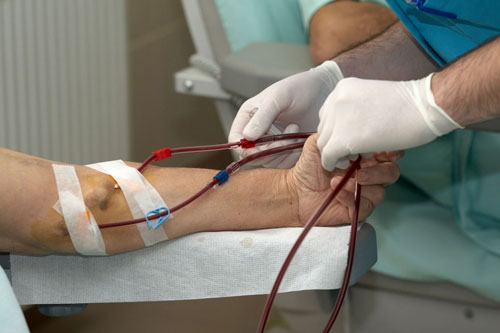
Dialysis Access Interventions
Dialysis access interventions are specialized minimally invasive procedures performed to create, maintain, and restore dialysis access in patients with advanced kidney disease. These procedures help ensure effective hemodialysis by addressing blocked, narrowed, or malfunctioning access sites through advanced image-guided techniques, improving treatment outcomes and preserving long-term vascular access.
Conditions
Dialysis access interventions are commonly performed for:
- End-Stage Kidney Disease
- AV Fistula Dysfunction
- AV Graft Blockage
- Dialysis Access Failure
- Central Venous Stenosis
- Central Venous Occlusion
- Dialysis Catheter Requirements
- Access Flow Problems
Symptoms
Patients with dialysis access problems may experience:
- Poor dialysis efficiency
- Swelling of the arm or neck
- Reduced blood flow through access
- Difficulty during dialysis sessions
- Pain near the access site
- Recurrent clot formation
- Loss of fistula thrill
- Frequent access malfunction
Causes
Dialysis access complications may develop due to:
- Blood clot formation
- Narrowing of blood vessels
- Central vein obstruction
- Long-term dialysis access use
- Repeated catheter placement
- Vascular scarring
- Infection-related damage
- Underlying vascular disease
Treatment
Advanced image-guided dialysis access procedures include:
- PERMACATH Placement
- AV Fistula Maturation Procedures
- AV Graft Declotting
- Thrombectomy Procedures
- Balloon Angioplasty
- Venous Recanalization
- Central Venous Stenting
- Dialysis Access Maintenance
Benefits of Treatment
- Improved dialysis efficiency
- Restoration of blood flow
- Preservation of dialysis access
- Reduced treatment interruptions
- Minimally invasive procedures
- Faster recovery time
- Reduced hospitalization
- Better long-term access function
When to Consult a Specialist
You should seek medical evaluation if you experience:
- Difficulty during dialysis sessions
- Swelling around the access site
- Reduced fistula or graft function
- Recurrent access blockage
- Persistent pain near access site
- Loss of fistula thrill
- Frequent dialysis access issues
- Need for long-term dialysis access maintenance