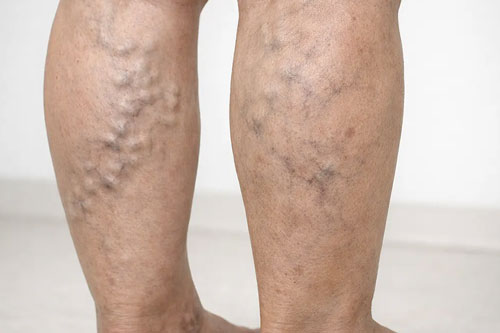
Varicose veins are enlarged, twisted veins that commonly affect the legs due to faulty vein valves and poor blood circulation. They can cause pain, heaviness, swelling, skin discoloration, and cosmetic concerns. Advanced minimally invasive treatments such as Endovenous Laser Ablation (EVLT), Radiofrequency Ablation (RFA), and Venaseal Glue Closure provide effective, scarless treatment with minimal downtime and excellent long-term results.
Varicose vein treatment can help manage the following conditions:
- Varicose Veins
- Chronic Venous Insufficiency
- Spider Veins
- Venous Reflux Disease
- Leg Swelling
- Venous Ulcers
- Skin Pigmentation Changes
- Recurrent Leg Discomfort
Common symptoms of varicose veins include:
- Visible enlarged veins
- Leg pain or aching
- Heaviness in the legs
- Leg swelling
- Burning or throbbing sensation
- Muscle cramps
- Itching around veins
- Skin discoloration
Varicose veins may develop due to several risk factors including:
- Weak or damaged vein valves
- Family history
- Prolonged standing
- Pregnancy
- Obesity
- Increasing age
- Hormonal changes
- Sedentary lifestyle
Advanced non-surgical and minimally invasive treatment options include:
- Venous Doppler Evaluation
- Endovenous Laser Ablation (EVLT)
- Radiofrequency Ablation (RFA)
- Venaseal Glue Closure
- Ultrasound-Guided Procedures
- Sclerotherapy
- Venous Ulcer Management
- Long-Term Vein Care
- Minimally invasive procedure
- No major surgery
- Scarless treatment
- Faster recovery
- Reduced pain and swelling
- Improved blood circulation
- Better cosmetic appearance
- Quick return to daily activities
The risk of varicose veins can be reduced by adopting healthy lifestyle habits:
- Exercise regularly
- Maintain healthy weight
- Avoid prolonged standing
- Elevate legs when resting
- Wear compression stockings if advised
- Stay physically active
- Avoid tight clothing
- Attend regular vascular checkups