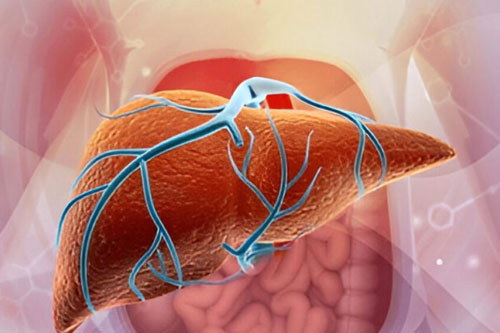
Liver cancer interventions are advanced minimally invasive image-guided treatments designed to target liver tumors while preserving healthy liver tissue. These procedures offer effective treatment options for primary and secondary liver cancers using techniques such as Transarterial Chemoembolization (TACE), Y-90 Radioembolization (TARE), Radiofrequency Ablation (RFA), Microwave Ablation, and Cryoablation, helping improve outcomes with reduced recovery time.
Liver cancer interventions are commonly performed for:
- Hepatocellular Carcinoma (HCC)
- Secondary Liver Tumors
- Liver Metastases
- Unresectable Liver Cancers
- Recurrent Liver Tumors
- Multifocal Liver Lesions
- Advanced Liver Malignancies
- Selected Neuroendocrine Liver Metastases
Common symptoms associated with liver cancer may include:
- Abdominal pain or discomfort
- Unexplained weight loss
- Loss of appetite
- Persistent fatigue
- Abdominal swelling
- Nausea or vomiting
- Jaundice
- Enlarged liver
Several conditions may increase the risk of developing liver cancer:
- Chronic Hepatitis B Infection
- Chronic Hepatitis C Infection
- Liver Cirrhosis
- Fatty Liver Disease
- Excessive Alcohol Consumption
- Metabolic Disorders
- Family History of Liver Cancer
- Exposure to Carcinogens
Advanced minimally invasive liver cancer treatment options include:
- Transarterial Chemoembolization (TACE)
- Y-90 Radioembolization (TARE)
- Radiofrequency Ablation (RFA)
- Microwave Ablation
- Cryoablation
- Image-Guided Tumor Targeting
- Combination Therapy Planning
- Long-Term Cancer Monitoring
- Minimally invasive procedures
- Precise tumor targeting
- Preservation of healthy liver tissue
- Reduced recovery time
- Shorter hospital stay
- Effective local tumor control
- Improved treatment outcomes
- Enhanced quality of life
You should seek medical evaluation if you experience:
- Persistent abdominal pain
- Unexplained weight loss
- Chronic liver disease
- Jaundice or abdominal swelling
- Suspicious liver lesions on imaging
- Known liver cancer diagnosis
- Recurrent liver tumors
- Need for advanced liver-directed therapies